
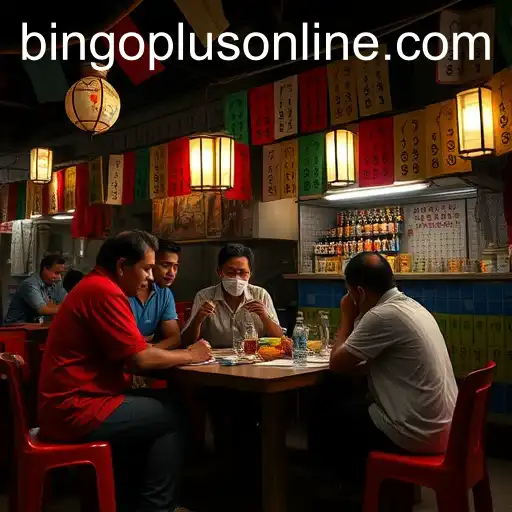
BingoPlus | Jueteng and the Rise of BingoPlus: A Complex Interplay
BingoPlus’s An in-depth exploration of jueteng in the Philippines and the impact of modern alternatives like BingoPlus on traditional gambling practices.
Jueteng: A Deep-Rooted Culture
Jueteng is a popular numbers game in the Philippines, deeply embedded in the socio-economic and cultural fabric of various communities. Originating during the Spanish colonial period, it remains a form of informal gambling that, despite its illegal status, is widely played across the country. Much of its longevity and popularity can be attributed to its simplicity and the small bets required, making it accessible to a broad spectrum of the population.
The Mechanics of Jueteng
The game involves betting on a pair of numbers between 1 and 37. A bettor chooses a combination of numbers in the hopes that it will match those randomly drawn in a twice-a-day sweepstake. The draws are conducted by appointed game conductors, known as "cabos," who operate within their assigned areas under the coordination of a "jueteng lord." The role of these operatives is crucial in maintaining the organization's structure and ensuring the smooth operation of the game.
The Socio-Economic Impact
Jueteng operates within a multi-layered network involving players from various social strata, often connected to political and police organizations that allegedly benefit financially from its perpetuation. Despite numerous crackdowns by authorities, it persists due to its role in providing a source of income for those employed within its network and its promise of quick, albeit risky, financial gain for the bettors.
Jueteng's Influence on Communities
The game's pervasiveness has led to it being both a social event and a lucrative enterprise, reinforcing its foothold in local communities. It paradoxically serves as an economic enabler for low-income families and a breeding ground for corruption within official hierarchies. The funds generated from jueteng are often funneled into political campaigns, creating a quid pro quo system between bettors, operators, and public officials.
The Modern Shift: Enter BingoPlus
With the advancement of technology and regulatory crackdowns on illegal gambling, platforms like BingoPlus have emerged as modern alternatives, promising a legal and regulated gaming environment. BingoPlus represents a shift towards digital platforms that replicate traditional gaming experiences while ensuring compliance with legal standards.
How BingoPlus Works
This new wave of online gaming offers a variety of games parallel to traditional bingo and adds a technological twist to classic gambling setups. Players can engage from the comfort of their homes, betting through secure digital transactions. Each game played on BingoPlus is subject to stringent regulatory oversight, in stark contrast to the informal nature of jueteng.
Impact of BingoPlus on Traditional Games
As BingoPlus gains popularity, it poses a potential shift in gambling habits, drawing players away from traditional games like jueteng. The legal backing and ease of access to online platforms create an appealing alternative, especially for younger demographics and tech-savvy individuals who prefer regulated gaming environments. However, the transition is marked by challenges, such as accessibility issues for low-income and rural populations who remain reliant on traditional gambling forms.
The Role of Government Regulation
BingoPlus's establishment aligns with the government's broader strategy to curb illegal gambling by offering regulated alternatives. The platform is a testament to the effectiveness of integrating modern technology with traditional gambling systems to create a safer and more controlled betting environment. Despite these measures, the transition from jueteng to platforms like BingoPlus is gradual and requires persistent efforts in policy formulation and enforcement.
The Future of Gambling in the Philippines
The juxtaposition of jueteng and technological innovations like BingoPlus highlights a transformative period in the Philippines' gambling landscape. While traditional games remain ingrained in society, the rise of regulated platforms signifies a potential departure toward more sustainable and lawful betting activities. However, a complete transition is contingent on addressing socio-economic disparities and enhancing digital infrastructure.
Conclusion
The interplay between jueteng and platforms like BingoPlus illustrates the complexity of gambling culture in the Philippines. Each has its distinct set of challenges and opportunities, reflecting broader societal dynamics. The shift toward modern, regulated platforms indicates a potential path forward, but it remains a multifaceted issue requiring continuous dialogue and policy evolution. As the gambling industry adapts to the digital age, the ultimate goal lies in balancing economic incentives with ethical governance.
